Event Technology Trends 2026: What Philippine Organizers Are Watching
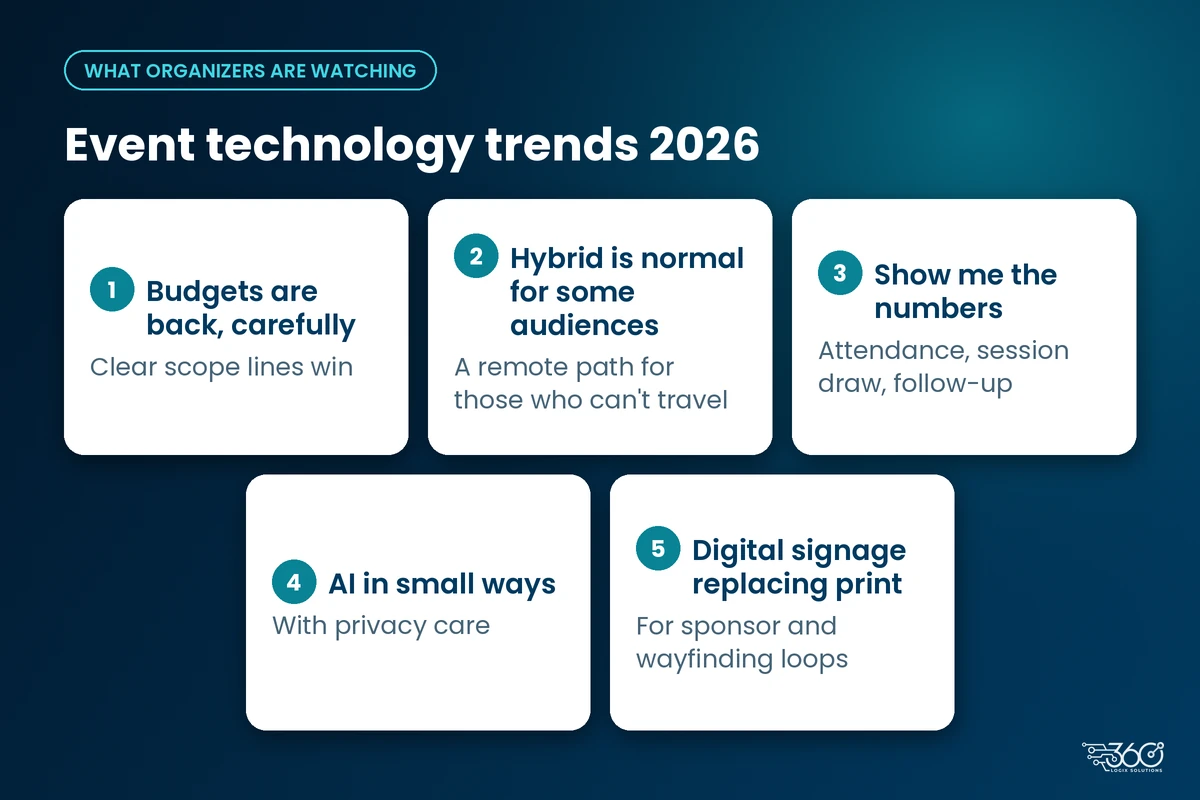
The loudest event technology trends 2026 conversation isn't about a new gadget. It's about accountability. Organizers are being asked to show results and to stretch leaner budgets, while keeping a hybrid path open for people who can't travel. Tech that produces data (registration, check-in, feedback) is winning over tech that only looks good on a stage render.
Quick answer: Watch four practical shifts: careful budget reopenings, hybrid as normal for some government and remote audiences, measurement that proves attendance and engagement, and small AI uses with privacy care. Digital signage is quietly replacing one-off print for sponsor and wayfinding loops.
Table of Contents
Event technology trends 2026 in the Philippines
Budgets are back, carefully
Industry reports in mid-2026 described a gradual second-half rebound for Philippine business events after earlier fuel-linked disruptions. Hotel operators talked about a controlled upswing: approvals that had paused started moving again, without a return to unconstrained spending. For you, that means proposals need clear scope lines. "Nice to have" tech loses to "here's what the day needs."
Hybrid is normal for some audiences
Memorandum Circular No. 114 (March 6, 2026) directed national government agencies to treat virtual meetings as the default for conferences, seminars and workshops unless physical presence is required, as an energy-conservation measure. Private events aren't bound the same way, but many programs still need a remote path for regional members, overseas speakers or staff who can't fly in.
If hybrid is on your 2027 plan, look at a real hybrid event platform rather than a hastily shared meeting link.
"Show me the numbers": measurement
Industry conversations in 2026 put measuring the impact of business events near the top of the agenda, alongside emerging tech and destination competitiveness. Organizers feel that pressure locally too: boards ask for attendance quality, session draw and follow-up, not just a photo of a full ballroom.
That is where event technology services earn budget: registration and check-in data, session scans, and post-event feedback you can actually read. Fancy stage looks still matter. Proof keeps the budget next year.
AI in events: useful in small ways, with privacy care
Everyone is asking about AI in the events industry. The useful layer in 2026 is modest: drafting attendee emails, sorting FAQ replies, helping build an agenda draft. Anything that profiles people or trains on registration data needs a privacy review under the Data Privacy Act and clear consent.
Skip the demo-ware chatbot nobody opens. Keep the event app features attendees value first: schedule, QR, updates, certificates.
Digital signage replacing print
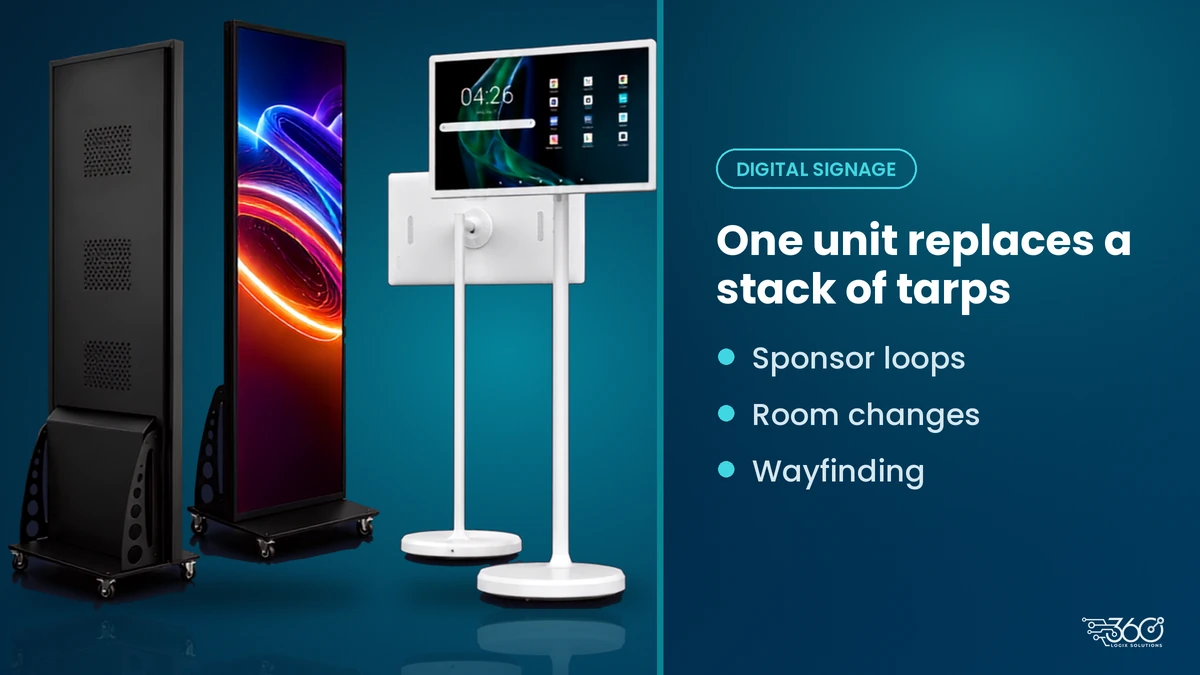
Sponsor loops, room changes and wayfinding are moving to LED Posters and displays because the message changes and print can't keep up. One unit with a rotation replaces a stack of tarps when sponsors and schedules shift. Pair that with a clear equipment rental plan so finance sees the day rate, not a surprise logistics line.
What's happening in the MICE industry in the Philippines?
Broader MICE industry in the Philippines conversations in 2026 keep returning to the same trio: prove impact, adopt tech carefully, and stay competitive as a destination. For association secretariats, that translates to cleaner registration data and fewer paper processes, not a shopping list of experimental toys.
What we'd watch in 2027
Beyond the event technology trends 2026 has brought, here is what we'd watch, as light opinion rather than a forecast:
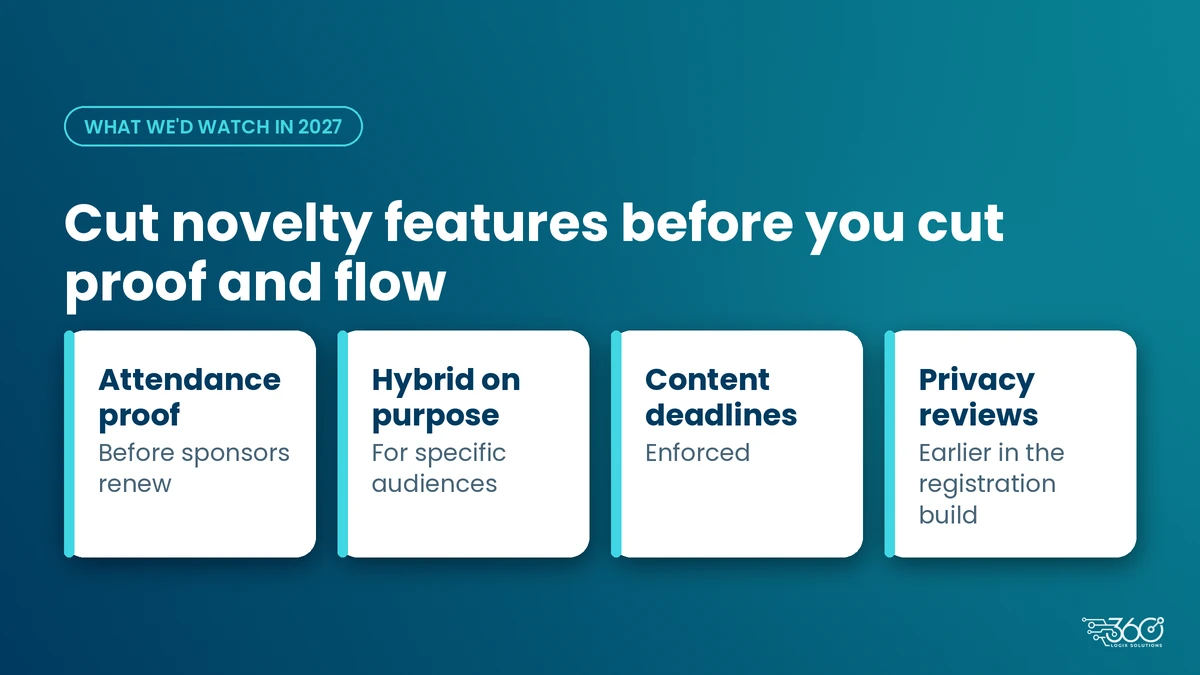
- More committees asking for attendance proof before they renew sponsors
- Hybrid kept for specific audiences, not as a vague "also stream it" afterthought
- Content deadlines enforced because digital signage makes last-minute changes visible
- Privacy reviews showing up earlier in the registration build
FAQ
What is MC 114 and does it affect private events?
MC 114 is a 2026 directive for national government agencies to prefer virtual meetings for many conferences and workshops unless physical presence is required. Private associations and companies aren't automatically covered, but government attendees and partners may still need a remote option.
Is hybrid still worth it in 2026?
Yes when a real audience can't travel or when policy pushes virtual-first. No when you're only streaming "in case" with no promotion, no moderation and no replay plan.
How are organizers using AI at events?
Mostly in small production tasks: drafting messages, sorting questions, agenda help. High-risk uses that touch personal data need consent and a privacy review first.
What should we prioritize if the budget is tight?
Registration that works, check-in that doesn't stall the door, and displays or audio that match the room. Cut novelty features before you cut proof and flow.
Related: if hybrid is on your plan, start with our guide to event live streaming setup.
Planning 2027 with clearer priorities?
We've worked alongside Philippine organizers for 15+ years, and the brief that wins funding this year is usually the one that ties tech to attendance, experience and follow-up. Plan your 2027 events with us and bring your draft calendar and must-have vs nice-to-have list. We'll help you spend on what the day actually needs.
Related Articles
Event Setup Checklist: What Happens the Night Before an Event
Our event setup checklist for the night before: load-in, power, screen content, sound, a registration dry run and backups, as a routine you can copy.
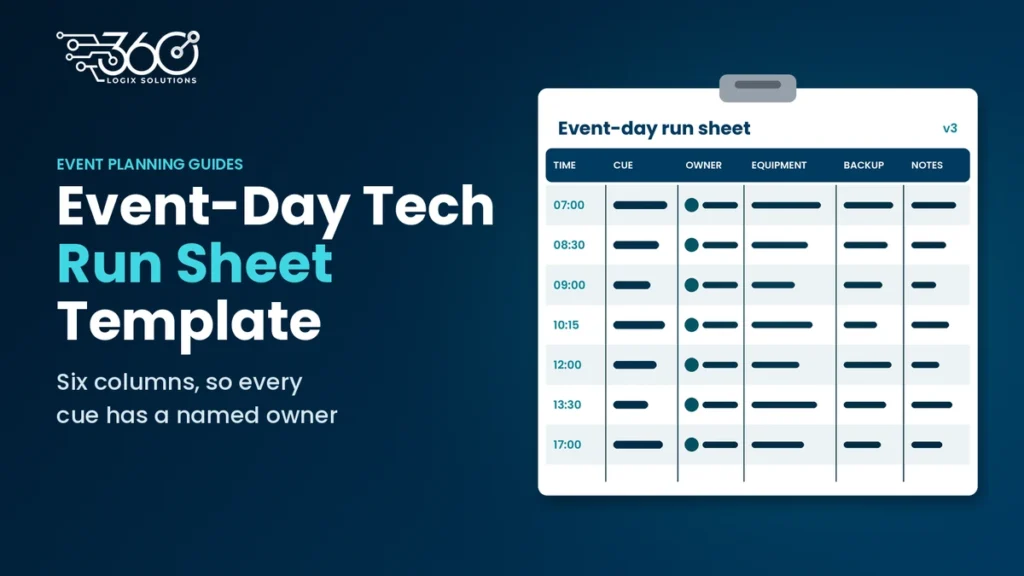
Event Run Sheet Template: Your Event-Day Tech Run Sheet
Copy our event run sheet template for event-day tech: time, cue, owner, equipment, backup and notes, plus a filled seminar example and tips for using it.
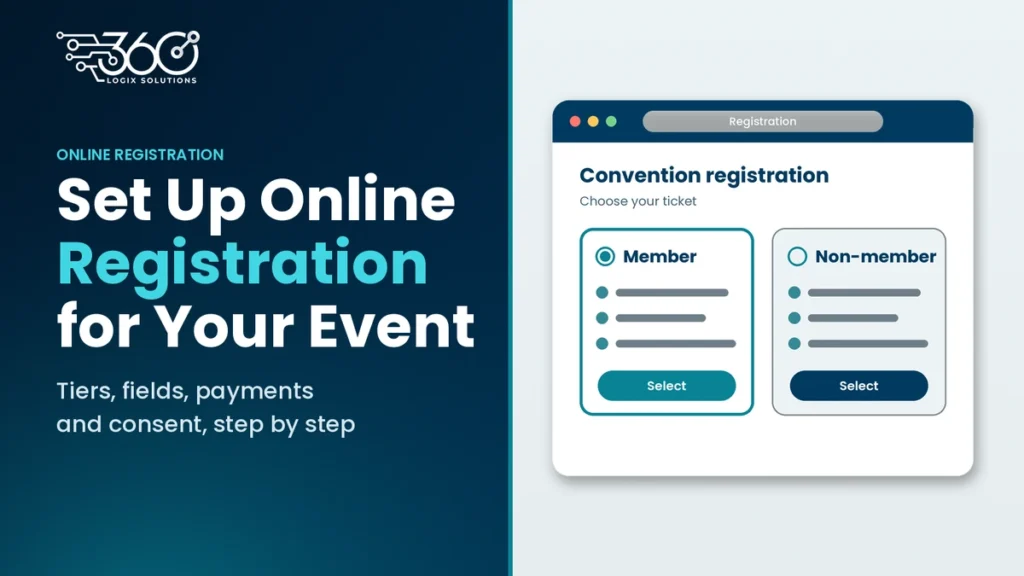
How to Set Up Online Registration and Ticketing for Your Association’s Event
How to set up online registration for an event: member tiers, data fields, payments, consent wording, QR confirmations and certificates for associations.