The Evolution of Brand Activations in the Digital Age
Experiential Marketing is Back (And Better Than Ever)
Let's be honest: we're all drowning in digital ads. We scroll past them, we block them, we ignore them. Because of this massive digital fatigue, experiential marketing is making a huge comeback. But if you think a modern brand activation is just setting up a folding table and handing out free keychains, think again. Today, it's all about creating wild, immersive experiences that blur the line between the physical world and the internet.
People don't just buy products anymore; they buy into a vibe. They want a story. When you build a space where someone can actually touch, feel, and play with your brand, you create a memory. And memories build loyalty way faster than a banner ad ever could.
Mixing the Physical with the Digital
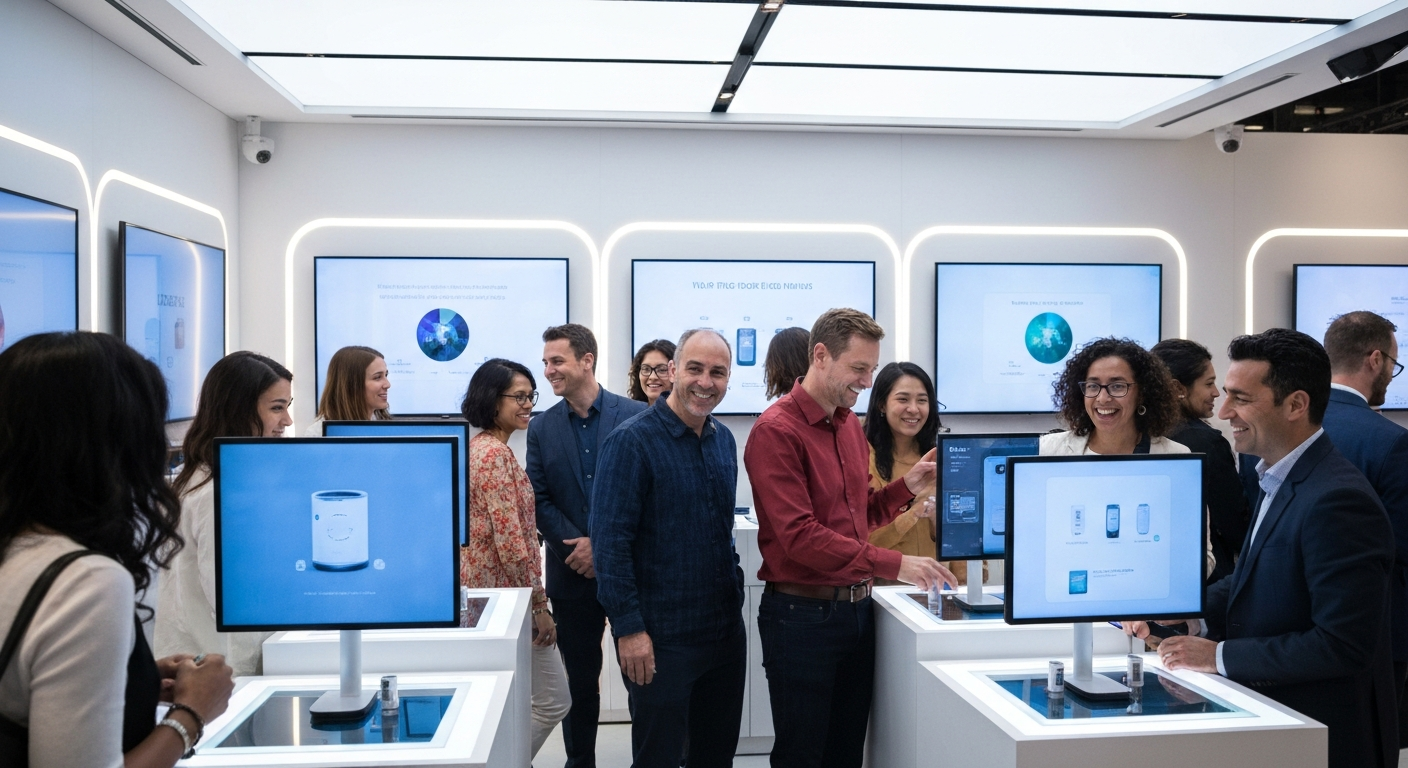
The best events happening right now are what industry folks call "phygital"—a terrible word for a really cool concept. It basically means you take a physical event and wire it up with digital tech. When someone walks into your activation, everything they do should leave a digital trail, whether that's unlocking a Snapchat filter, scoring points on a leaderboard, or getting a personalized video sent to their phone.
Making it a Game
If you want people to stick around, you have to make it fun. Adding interactive tech like gesture-controlled screens or AR mirrors completely changes the dynamic. And when you gamify the experience? Forget about it. People will spend 20 minutes trying to beat a high score at your booth, and the whole time, they're soaking up your brand messaging.
Why We Still Love Pop-Up Shops
Pop-up shops aren't new, but they've definitely leveled up. They aren't just temporary stores anymore; they're exclusive content studios. Brands use them to drop limited-edition gear or collaborate with artists. The fact that it's only there for a weekend creates this crazy FOMO (fear of missing out), which drives foot traffic and practically guarantees that everyone who walks in is going to post about it on TikTok or Instagram.
Catching People Off Guard
While massive, expensive pop-ups are great, there's a lot to be said for the element of surprise. Guerrilla marketing—doing something weird and unexpected in public—is still incredibly effective, especially when you design it to go viral.
Think about a crazy street art installation or a flash mob. The immediate reaction for anyone walking by is to pull out their phone and start recording. If you're smart about it and include a scannable QR code or a catchy hashtag, you can instantly turn that crowd of confused onlookers into website traffic.
Proving It Actually Worked
Back in the day, you measured an event's success by guessing how many people walked by. Today, your boss is going to want actual data. Thankfully, wiring up your physical space means you can track almost everything.
Getting the Leads
Live events are a goldmine for collecting data. If you gate an exclusive experience behind a quick email signup, you can build your lead database incredibly fast. And because these people actually engaged with you in real life, they're usually much higher quality leads than you'd get from a random Facebook ad.
Reading the Room (Literally)
With modern event analytics, you can literally see a heat map of where people spent their time. Did they love the AR mirror but ignore the product demo? How long did they stay? This kind of data is exactly what you need to justify the budget for your next big activation.
Teaming Up with Creators
You can't really throw a modern event without inviting some influencers. But the game has changed here, too. Influencer partnerships aren't just about paying someone to hold your product and smile. It's about inviting creators to genuinely experience what you've built.
Honestly, we're seeing massive success with micro-influencers right now. They might not have millions of followers, but their audiences are super engaged and actually listen to their recommendations.
Keeping it Green
One last thing: people care about the planet, and they will absolutely judge you if your event is a massive waste of plastic. Sustainability isn't just a buzzword anymore; it's an expectation.
We're seeing a big push toward reusable booth structures and digital giveaways instead of cheap plastic swag that ends up in the trash. Showing that you care about your environmental footprint goes a long way in building brand respect.
The Bottom Line
At the end of the day, brand activations are about ditching the sales pitch and focusing on the relationship. If you can build an experience that is genuinely fun, highly shareable, and backed by solid data tracking, you're going to see incredible results.
If you're looking to pull something like this off, our Creatives Studio and Event Management teams at 360 Logix Solutions Inc. live for this stuff. We handle the crazy ideas, the tech, and the analytics so you can just enjoy the show.
Related Articles

Learn how to execute high-impact campaigns with a realistic brand activation Philippines budget and drive real foot traffic without a six-figure agency retainer.
Brand Activations That Dominate Metro Manila Malls
Discover the secrets to launching successful, high-traffic brand activations in the busiest malls of Metro Manila.
Your website might look beautiful, but is it built to convert? Discover how cognitive load, friction, and UX design directly impact your marketing ROI.
