How Augmented Reality is Reshaping the Retail and Marketing Landscape in 2026
Beyond the Trade Show Floor
For years, Augmented Reality (AR) was treated as a flashy party trick. You would see it at massive technology conferences or in high-budget movie promotions, but it rarely felt practical for everyday business. In 2026, that narrative has completely flipped. AR is no longer just an experimental toy for developers; it is rapidly becoming a foundational layer of modern retail and digital marketing.
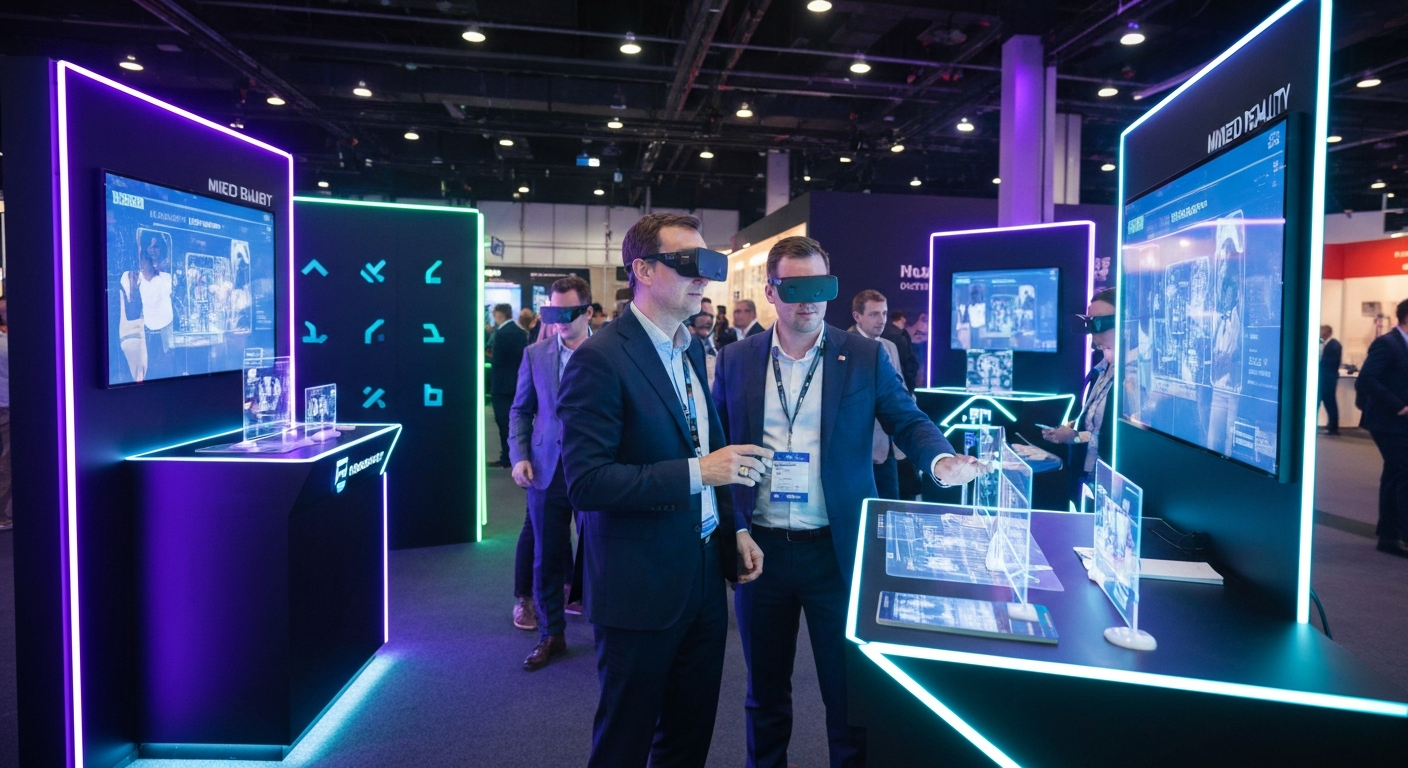
The turning point wasn't necessarily a massive leap in hardware, though the devices have certainly improved. The real catalyst was accessibility. With the rise of WebAR, consumers no longer need to download a bulky, single-use application just to interact with a brand's 3D model. They can simply scan a QR code with their native smartphone camera and instantly drop a life-sized, highly detailed digital object into their physical space. This removal of friction has opened the floodgates for brands of all sizes to integrate spatial computing into their daily marketing efforts.
Solving the E-commerce Return Crisis
One of the most practical applications of AR right now is in the e-commerce sector, specifically solving the industry-wide crisis of product returns. When customers buy furniture, apparel, or cosmetics online, there is always a gap between what they see on the screen and how the product actually fits in their life. That gap leads to hesitation, abandoned carts, and ultimately, high return rates.
By integrating AR directly into the product page, brands are bridging that gap. A customer can now virtually place a new sofa in their living room to see if the color clashes with their rug, or "try on" a new shade of lipstick using their front-facing camera. The data is clear: when a consumer uses AR to visualize a product before purchasing, conversion rates skyrocket and return rates plummet. It transforms the digital shopping experience from a guessing game into a confident transaction.
Interactive Print and Packaging
AR is also breathing new life into traditional marketing channels. Print advertising and product packaging, once considered static mediums, are now dynamic digital touchpoints. A standard cereal box or a printed direct mail flyer can now serve as a portal to an interactive experience.
Imagine receiving a printed catalog from a retailer. Instead of just looking at flat images, you point your phone at the page, and the models step out and walk around, or the product explodes into a 3D diagram showing its internal components. This hybrid approach—combining the tactile trust of physical print with the dynamic engagement of digital media—creates a highly memorable brand interaction that significantly extends the lifespan of traditional marketing materials.
The Future of Hyper-Personalized Activations
Looking ahead, the integration of AR with artificial intelligence is creating opportunities for hyper-personalized brand activations. Imagine walking past a digital billboard that uses AR to project a customized message specifically to you, based on your previous interactions with the brand. Or attending a local event where the physical environment adapts to your preferences through your smartphone screen.
The brands that win in this new landscape will be the ones that stop treating AR as a standalone novelty and start treating it as a seamless extension of their omnichannel strategy. It is about adding utility, reducing purchase friction, and creating moments of genuine delight.
How 360 Logix would approach this
We believe that technology should always serve the customer experience first. When we integrate AR into a client's marketing strategy, we don't start with the 3D models; we start with the friction points in their sales funnel. Whether it's building a WebAR try-on experience to boost e-commerce conversions or designing interactive packaging to drive loyalty, we ensure that every spatial interaction has a clear, measurable return on investment.
If you are ready to explore how spatial computing can elevate your brand and drive actual revenue, book a free discovery call with 360 Logix Solutions to map this to your business — visit 360logix.com.
Related Articles

The Future of E-commerce Marketing in the Philippines
Stay ahead of the curve with these emerging e-commerce marketing trends shaping the Philippine retail landscape.
Forget clunky headsets and motion sickness. The new wave of augmented reality at tech conferences is completely changing how marketers connect with attendees.

Discover why vertical video marketing for small business outperforms horizontal formats in 2026, and learn the one channel where widescreen still wins.
